10,000 search results (0.041 seconds)
  1. Rosicrucian - Personal use only
  2. Mincer BRK - Unknown license
  3. Lombardo - Unknown license
  4. Tobin Tax - Unknown license
  5. Radaern - Unknown license
  6. Yanone Tagesschrift - Unknown license
  7. JSL Ancient - Unknown license
  8. Snotmaster V - Unknown license
  9. GotischeMajuskel - Unknown license
  10. Cup and Talon - Unknown license
  11. Our Sacred Rights - Unknown license
  12. Imperial Symbols - Unknown license
  13. OldTypefaces - 100% free
  14. Elder Magic - Personal use only
  15. unciaal - Unknown license
  16. Grange - Unknown license
  17. 1742Frenchcivilite - Unknown license
  18. WirWenzlaw - Unknown license
  19. ReadableGothic - 100% free
  20. Heorot - Unknown license
  21. Kremlin Orthodox Church - Unknown license
  22. Gawain - Unknown license
  23. MissalUncialeMaster - Unknown license
  24. PiratsSymbolsArtefacts - Unknown license
  25. Wolves and Ruin - Unknown license
  26. Middle Ages - Unknown license
  27. Piper Pie - Personal use only
  28. Fire Of Ysgard Regular - Unknown license
  29. Tribal Two - Unknown license
  30. CuttyFruty - Personal use only
  31. Rousseau™ - Unknown license
  32. Odinson Light - Unknown license
  33. Umber SSi - Unknown license
  34. FR Warrior Plain - Personal use only
  35. Pilsen Plakat - Unknown license
  36. News Gothic by ParaType, $30.00
    A Bitstream version of News Gothic that was created by Morris Fuller Benton for American Typefounders and first appeared in 1908. There is the standard American sanserif of the first two thirds of the twentieth century with narrow proportions and a large x-height. Despite, or perhaps because of, the font’s unconventional relationships in proportion and form, News Gothic has long been a popular typeface for almost any use. Cyrillic version developed for ParaType in 2005 by Dmitry Kirsanov. Greek extension designed by Dmitry Kirsanov in 2009.
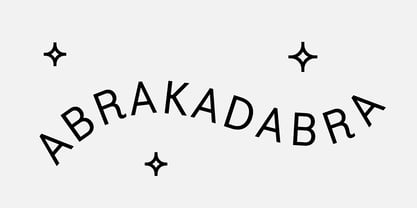
  37. Abrakadabra by Tolya Doodko, $18.00
    Abakadabra is a headline typeface inspired by sans-serifs of the first half of the twentieth century, as well as by the tricks of fakirs, illusionists and charmers. The gently playful manner of the font can be exaggerated to a more pretentious and grimacing one, or can alternatively be calmed to a neutral appearance. Abrakadabra supports most European languages and has thematic emoji symbols. The text can be customized by using stylistic sets or the Swashes and the Stylistic Alternates buttons in the OpenType panel.
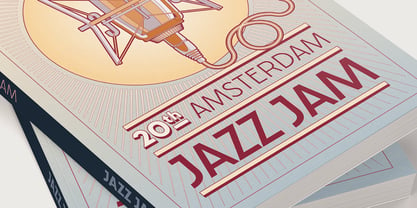
  38. Artnoova by Popskraft, $18.00
    The Artnoova typeface combines the inimitable mastery of the great styles of the early twentieth century and at the same time looks organic among modern ones. Like the famous Art Deco typeface, Artnoova is designed for a strong yet elegant typography. In addition, a balanced set of capital letters allows you to type large sections of text. All this allows the Artnoova font to be used in almost any area of ​​design, such as corporate identity, typography, posters, web design and other design areas.
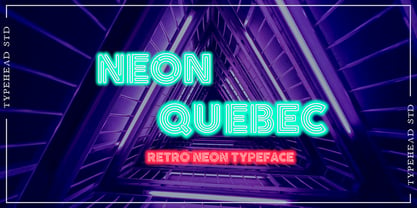
  39. Neon Quebec by Typehead Studio, $20.00
    Neon Quebec This font appears inspired by the retro neon style of the twentieth century. comes with all the beautiful capital letters, a little retro style but still relevant today. New modern & fresh display font in neon light style with a futuristic touch makes this font look elegant, stylish and perfect for any awesome project that requires a futuristic look. What's Included : - Uppercase Character - Lowercase Character - Numbers - Punctuation - Multilingual Support Thank you for your purchase! and hope you're having fun with Neon Quebec ! Happy creating!
  40. FHA Tuscan Roman by Fontry West, $20.00
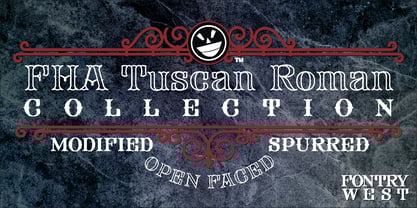
    The first Tuscan lettering was penned in the mid-fourth century by the calligrapher Furius Dionysius Filocalus. The style was still in common usage as calligraphy when Vincent Figgins designed the first Antique Tuscan for print in 1817. Antique and Gothic Tuscan woodtype fonts appeared in the 1830’s. By the 1850’s, Tuscan fonts had become popular in America. These styles continued in print use into the twentieth century. Tuscan Antique and Gothic styles, borrowed from print and calligraphy, were perfect for signs, posters, handbills and other large format advertising. Sign painter, Frank Atkinson demonstrated several Tuscan forms in his book Sign Painting, A Complete Manual. Modified & Spurred Tuscan Romans were inspired by this and other works of the same period.
Looking for more fonts? Check out our New, Sans, Script, Handwriting fonts or Categories
abstract fontscontact usprivacy policyweb font generator
Processing