6,448 search results
(0.361 seconds)
- Portobello by Red Rooster Collection,
$45.00
- Tide by Suomi,
$35.00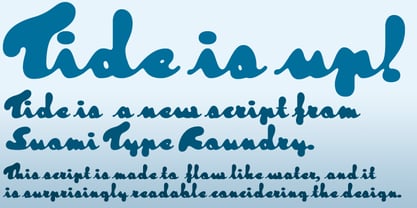
- Toffee Script by Suomi,
$25.00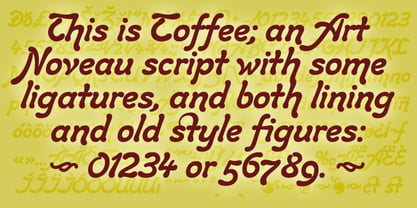
- Fiorenza by Scriptorium,
$18.00 - Donald by Intellecta Design,
$9.00 - Hilde CAPS by JOEBOB graphics,
$9.00
- Lapidary Capitals by Kostic,
$20.00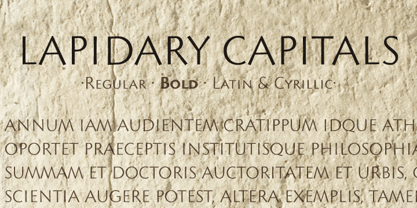
- Block Gothic by Red Rooster Collection,
$45.00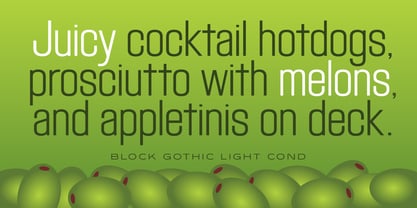
- Compliment by profonts,
$39.99 - Hestia by Fidan Fonts,
$18.70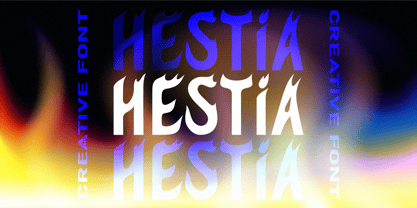
- Olivier by Letters&Numbers,
$28.00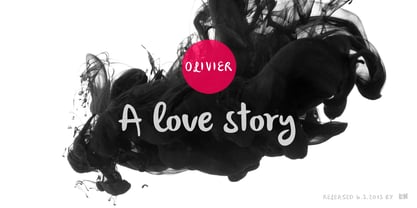
- Auster Rounded by Resistenza,
$39.00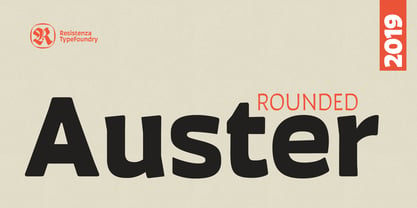
- Diaper Money by Fonthead Design,
$19.00 - Cyrillic Old Face - Unknown license

- Diethelm AR by ARTypes,
$35.00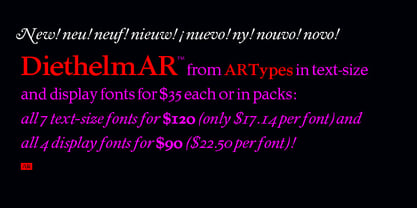
- Obtuse One - Unknown license

- Alberto by Corradine Fonts,
$14.95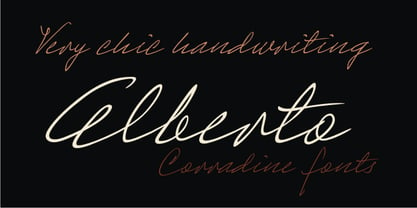
- Razor Bill by Red Rooster Collection,
$45.00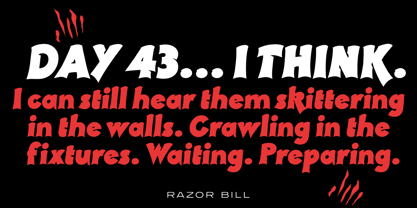
- Typothetical 1 by Typotheticals,
$8.00 - Caslon Extra Condensed by Red Rooster Collection,
$45.00 - Dractura by Aerotype,
$29.00 - KG Cold Coffee by Kimberly Geswein,
$5.00
- Float by Aboutype,
$24.99 - Venezuela by Red Rooster Collection,
$45.00 - Salonika by Aboutype,
$24.99 - Titanic by Red Rooster Collection,
$45.00 - Helga by Corradine Fonts,
$14.95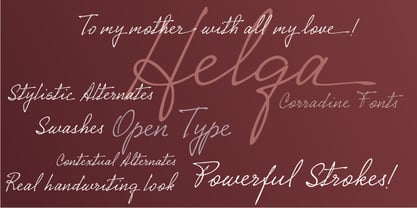
- Triple Condensed Gothic by Red Rooster Collection,
$45.00 - Dracena by Aerotype,
$29.00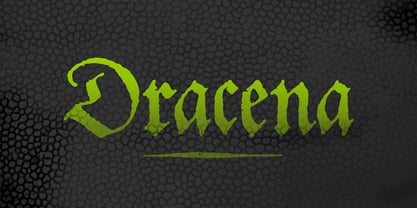
- Quest by Red Rooster Collection,
$45.00 - Yeoman Gothic by Red Rooster Collection,
$45.00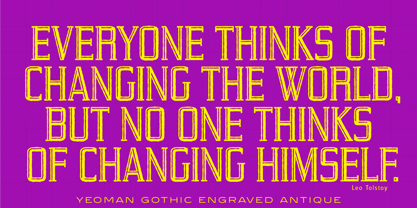
- Subway Ticker by K-Type,
$20.00
- Care Bear Family - Unknown license

- Early Tickertape - Unknown license

- Dweebo Gothic - Unknown license

- Kabel DT Condensed by DTP Types,
$49.00 - Monica by FSD,
$39.00 - Graphicus DT by DTP Types,
$49.00 - Goudy Old Style DT by DTP Types,
$49.00 - Notdef by FaceType,
$6.00