10,000 search results
(0.024 seconds)
- Anime Ace - Personal use only

- Benelux by Talbot Type,
$17.99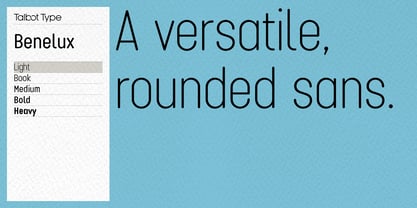
- Buozzi by Sea Types,
$25.00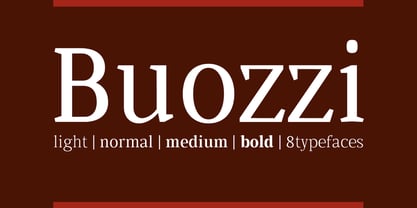
- Squid - Unknown license

- minus - Unknown license

- Moby - Unknown license

- Moby - Unknown license

- DB Bugs by Illustration Ink,
$3.00 - Japanese Brush - Unknown license

- Fyne Fish NF by Nick's Fonts,
$10.00 - Deriva by BRtype,
$21.90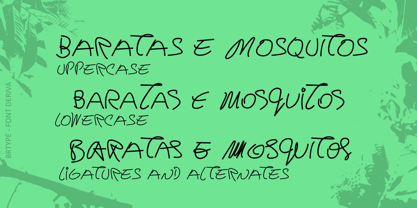
- IglooLaser - Unknown license

- CREATOR PERSONAL USE - Personal use only

- FloriGlyphos by Sea Types,
$15.00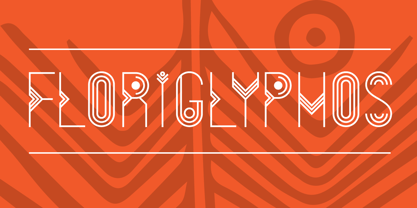
- Sodbuster NF by Nick's Fonts,
$10.00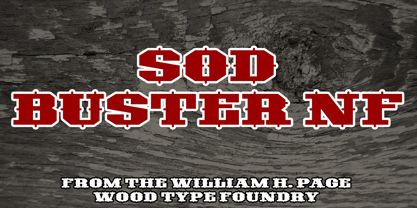
- Pastelheart - Personal use only

- Platinum Sign Over - Personal use only

- Hibiscus - Unknown license

- ParmaPetit - 100% free

- Bric-a-Braque - Unknown license

- Zapped Sticks - Personal use only

- Aracne Regular - Personal use only

- jano - Unknown license

- MKAbelRough-random - 100% free

- Easter Joy - Personal use only

- AB Barberian - 100% free

- KR Butterfly Two - Unknown license

- Moondog Fifteen - Unknown license

- Deco Freehand - Unknown license

- Doggon - Personal use only

- Crushed Out Girl - Unknown license

- brunoBook - Personal use only

- Hoshi Font - Unknown license

- Divine - Unknown license

- BN BenWitch Project - Unknown license

- KR Hunnybee - Unknown license

- CelticHand - Unknown license

- XXII Blackened Wood by Doubletwo Studios,
$25.99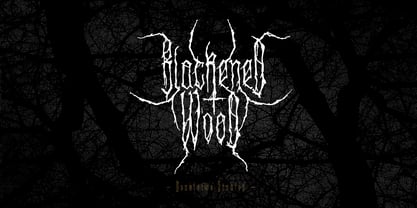
- Camelopard NF by Nick's Fonts,
$10.00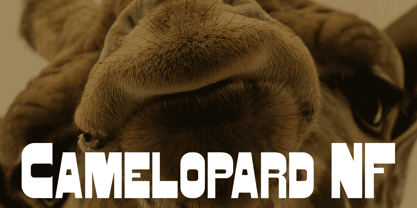
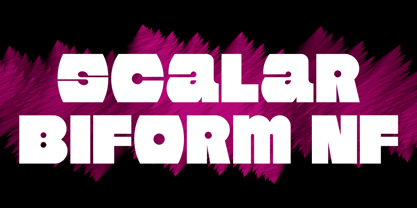
- Scalar Biform NF by Nick's Fonts,
$10.00