10,000 search results (0.034 seconds)
  1. BigDots - Unknown license
  2. Grusskarten Gotisch - Personal use only
  3. SteinAntik - 100% free
  4. Mosuna - Unknown license
  5. Typewrong - Unknown license
  6. Tragedia - Unknown license
  7. Alphasnail - Unknown license
  8. Breitkopf Fraktur - Personal use only
  9. Holitter Forge - 100% free
  10. Copycat - Unknown license
  11. Bitstorm - Unknown license
  12. Spylord - Unknown license
  13. Mediaeval Caps - Unknown license
  14. Steepidien - Unknown license
  15. Gothenburg Fraktur - Personal use only
  16. Powell Antique - Personal use only
  17. Mirisch - Personal use only
  18. DornspitzGrotesk - 100% free
  19. Kahless - Unknown license
  20. Trebble - Unknown license
  21. Nervous - Unknown license
  22. SirQuitry - Unknown license
  23. Carolus - Unknown license
  24. Theuerdank Fraktur - Personal use only
  25. Melon - Unknown license
  26. sB Cross - Unknown license
  27. Butterfly Letters - 100% free
  28. XperimentypoThree-C-Square - Unknown license
  29. Phrixus - Unknown license
  30. Gebetbuch Fraktur - Unknown license
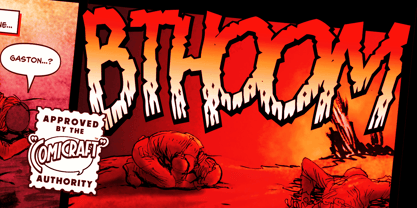
  31. Bronto Burger by Comicraft, $19.00
    Eight tons of Meat-eating TYRANNOSAURUS REX vs. one Vegetarian BRONTOSAUR? CRUNCHTIME!
  32. Sunlight JNL by Jeff Levine, $29.00
    Sunlight JNL takes the classic wood type from Jeff Levine's Twelve Oaks JNL and shatters it with bursts of light for a novelty effect. Limited to a very basic character set, it's best used for short words and phrases in headlines.
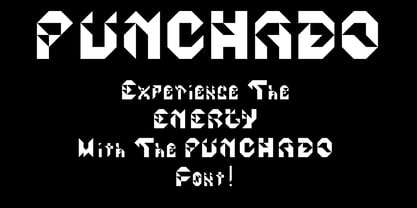
  33. Punchado by MyAnvil, $20.00
    This font titled "Punchado" original was designed in light of its sharp angels and bold impact type. This font would theme in the realm of: engineering, technology, science fiction, science, futures, etc... This font could be described as energetic, and motivational.
  34. Ryder Gothic Pro by Red Rooster Collection, $60.00
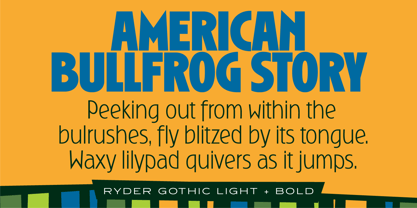
    A revival based on the Harry Winters design 'Roslyn Gothic' released by VGC in 1972. We've added a new light weight and several alternate glyphs. Ryder Gothic contains all the high-end features expected in a quality OpenType Pro font.
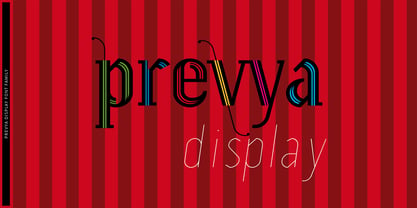
  35. Prevya Display by TipoType, $13.90
    Prevya is a display family. Inspired by the metalwork of the early twentieth century. Have appropriate characteristics for ornamental titles. Is accompanied by a light version for featured texts and it has a shadow layer to combine in beautiful designs.
  36. Liberty Script by Monotype, $29.99
    The Liberty font was designed by William T. Sniffin and released in 1927. This script is very fine, with a light color. Liberty can be used on stationery and packaging and is also suitable for short pieces of copy in brochures.
  37. Egyptian Oldstyle by Solotype, $19.95
    Here's a wide, very light version of the widely known font P. T. Barnum (or French Clarendon, if you prefer). We have used this to good effect as secondary lines on old fashioned stationery. Reads well in very small sizes.
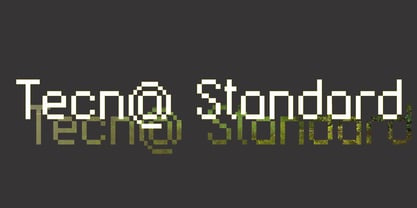
  38. Tecna Standard by Descarflex, $20.00
    The Tecn@ Standard family was designed so that its characters are legible and easy to interpret in any writing; among them, the descriptive memory of plans for example. Tecn@ Standard complements the Tecn@ Background Light and Dark Square Triangle font family.
  39. Shinn by Red Rooster Collection, $45.00

    Designed by Nick Shinn. Digitally engineered by Steve Jackaman. Humanist sans serif with a calligraphic cut and tall ascenders. Light, Medium and Extra Bold designed by Nick in 1985 for Typsettra; Steve added the Book and Bold weights, and the Italics.
  40. Luminari by Canada Type, $29.95
    Philip Bouwsma returns with yet another great manifestation of historical calligraphy. Luminari is an amalgam of High Middle Ages writing, a blend that combines the ornate Church hands with the simple Carolingian from the ninth to the fifteenth centuries. Its majuscules are particularly influenced by the versals found in the famous Monmouth psalters, as well as those done by the Ramsey Abbey abbots in the twelfth century. The minuscules also exhibit some influence from the book hand of prolific humanist Poggio Bracciolini from the early fifteenth century. Italian and essentially romanesque in style, Luminari exercises a slight tension between the round forms and the angular “gothic” styling. Luminari was updated with plenty of alternates and expanded language support in 2012. It now supports a very wide range of codepages, including Cyrillic, Greek, Central and Eastern European, Turkish, Baltic, Vietnamese, and of course Celtic/Welsh.
Looking for more fonts? Check out our New, Sans, Script, Handwriting fonts or Categories
abstract fontscontact usprivacy policyweb font generator
Processing