10,000 search results (0.09 seconds)
  1. Krystal - Unknown license
  2. Green Mountain 3 - Unknown license
  3. SF Big Whiskey - Unknown license
  4. ModernGradate - Unknown license
  5. SF New Republic - Unknown license
  6. SF Technodelight - Unknown license
  7. SF Tattle Tales - Unknown license
  8. Snott - Unknown license
  9. SF Quartzite - Unknown license
  10. Gr-Memories - Unknown license
  11. SF Juggernaut Condensed - Unknown license
  12. 612Koshey - Unknown license
  13. SF Juggernaut - Unknown license
  14. 612KosheyLine - Unknown license
  15. SF Americana Dreams Upright - Unknown license
  16. 612KosheyPL - Unknown license
  17. SF Americana Dreams SC - Unknown license
  18. SF Atarian System - Unknown license
  19. SF Technodelight NS - Unknown license
  20. SF Solar Sailer - Unknown license
  21. SF Fortune Wheel - Unknown license
  22. Lemon Twist by Art Grootfontein, $20.00
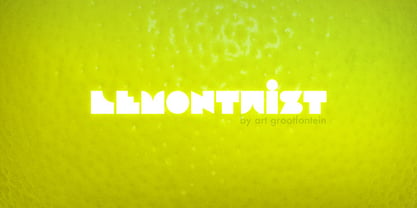
    Modern and bold, LemonTwist gives your designs a little zest of fresh feeling...
  23. Linear Gothic by BA Graphics, $45.00
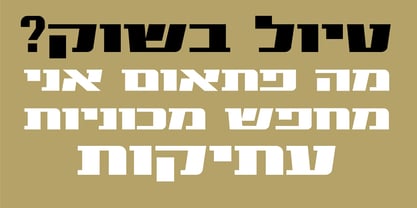
    A great headline face very bold and graphic. Not recommended for small sizes!
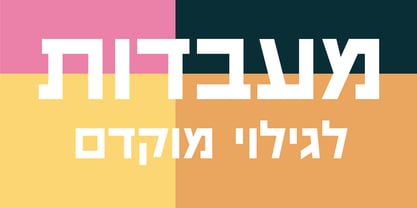
  24. Rahel MF by Masterfont, $59.00
    This bold and high contrast typeface is mainly used for extreme outstanding headlines.
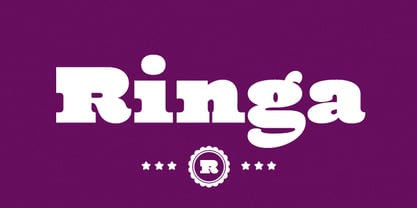
  25. Ringa by Melvastype, $25.00
    Ringa is extra bold slab serif typeface with a fun and sympathetic feel.
  26. FG Nadja by YOFF, $13.95
    FG Nadja is bold and beautiful - with a real artistic flair around her.
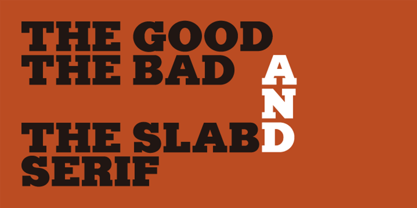
  27. Kaine by The Northern Block, $12.80
    A bold slab-serif typeface influenced by Spagetti Western posters of the 1960s.
  28. Supernational 264 by Fonts of Chaos, $10.00
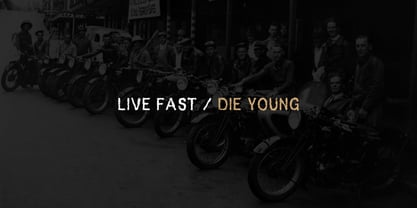
    Grand brother of Super National in extra bold. Looks nice in all size.
  29. Pigama MF by Masterfont, $59.00
    The bold presence is in every weight you choose - for packaging, signage etc.
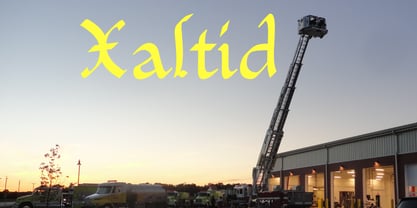
  30. Xaltid by Ingrimayne Type, $9.95
    Xaltid is a somewhat odd, decorative, calligraphic typeface in plain and bold weights.
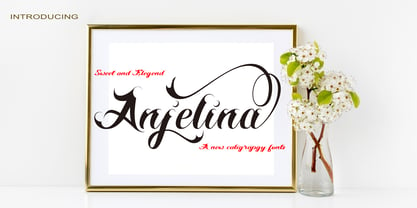
  31. Angelliey by Cocodesign, $10.00
    Angelliey is a beauty script based on a modern calligraphy with natural hand writing look and feel. It can be used as digital signature as well. It has many alternates and ligatures which contain many swashes that you can play with. This type of font perfectly made to be applied especially in logo, and the other various formal forms such as invitations, labels, logos, magazines, books, greeting / wedding cards, packaging, fashion, make up, stationery, novels, labels or any type of advertising purpose. Features : uppercase & lowercase numbers and punctuation multilingual alternates and ligatures PUA encoded We highly recommend using a program that supports OpenType features and Glyphs panels like many of Adobe apps and Corel Draw, so you can see and access all Glyph variations.
  32. Almighton by Uncurve, $20.00
    Almighton is an aesthetic vintage typography font, inspired from the past, elegant signage, gold leaf , sign painting and old label product. Almighton comes with tons of alternates characters to make more eye cacthy . It is suitable for authentic logos, headings, sign painting, posters, letterhead, branding, magazines, album covers, book covers, movies, apparel design, flyers, greeting cards, product packaging, and more.
  33. Gready PERSONAL USE ONLY - Personal use only
  34. Letric PERSONAL USE ONLY - Personal use only
  35. Bouncy PERSONAL USE ONLY - Personal use only
  36. Bezar - Personal use only
  37. Shipped Goods 1 (Personal Use) - Personal use only
  38. Times Eighteen by Linotype, $29.00
    In 1931, The Times of London commissioned a new text type design from Stanley Morison and the Monotype Corporation, after Morison had written an article criticizing The Times for being badly printed and typographically behind the times. The new design was supervised by Stanley Morison and drawn by Victor Lardent, an artist from the advertising department of The Times. Morison used an older typeface, Plantin, as the basis for his design, but made revisions for legibility and economy of space (always important concerns for newspapers). As the old type used by the newspaper had been called Times Old Roman," Morison's revision became "Times New Roman." The Times of London debuted the new typeface in October 1932, and after one year the design was released for commercial sale. The Linotype version, called simply "Times," was optimized for line-casting technology, though the differences in the basic design are subtle. The typeface was very successful for the Times of London, which used a higher grade of newsprint than most newspapers. The better, whiter paper enhanced the new typeface's high degree of contrast and sharp serifs, and created a sparkling, modern look. In 1972, Walter Tracy designed Times Europa for The Times of London. This was a sturdier version, and it was needed to hold up to the newest demands of newspaper printing: faster presses and cheaper paper. In the United States, the Times font family has enjoyed popularity as a magazine and book type since the 1940s. Times continues to be very popular around the world because of its versatility and readability. And because it is a standard font on most computers and digital printers, it has become universally familiar as the office workhorse. Times™, Times™ Europa, and Times New Roman™ are sure bets for proposals, annual reports, office correspondence, magazines, and newspapers. Linotype offers many versions of this font: Times™ is the universal version of Times, used formerly as the matrices for the Linotype hot metal line-casting machines. The basic four weights of roman, italic, bold and bold italic are standard fonts on most printers. There are also small caps, Old style Figures, phonetic characters, and Central European characters. Times™ Ten is the version specially designed for smaller text (12 point and below); its characters are wider and the hairlines are a little stronger. Times Ten has many weights for Latin typography, as well as several weights for Central European, Cyrillic, and Greek typesetting. Times™ Eighteen is the headline version, ideal for point sizes of 18 and larger. The characters are subtly condensed and the hairlines are finer. Times™ Europa is the Walter Tracy re-design of 1972, its sturdier characters and open counterspaces maintain readability in rougher printing conditions. Times New Roman™ is the historic font version first drawn by Victor Lardent and Stanley Morison for the Monotype hot metal caster."
  39. Times Europa LT by Linotype, $29.99
    In 1931, The Times of London commissioned a new text type design from Stanley Morison and the Monotype Corporation, after Morison had written an article criticizing The Times for being badly printed and typographically behind the times. The new design was supervised by Stanley Morison and drawn by Victor Lardent, an artist from the advertising department of The Times. Morison used an older typeface, Plantin, as the basis for his design, but made revisions for legibility and economy of space (always important concerns for newspapers). As the old type used by the newspaper had been called Times Old Roman," Morison's revision became "Times New Roman." The Times of London debuted the new typeface in October 1932, and after one year the design was released for commercial sale. The Linotype version, called simply "Times," was optimized for line-casting technology, though the differences in the basic design are subtle. The typeface was very successful for the Times of London, which used a higher grade of newsprint than most newspapers. The better, whiter paper enhanced the new typeface's high degree of contrast and sharp serifs, and created a sparkling, modern look. In 1972, Walter Tracy designed Times Europa for The Times of London. This was a sturdier version, and it was needed to hold up to the newest demands of newspaper printing: faster presses and cheaper paper. In the United States, the Times font family has enjoyed popularity as a magazine and book type since the 1940s. Times continues to be very popular around the world because of its versatility and readability. And because it is a standard font on most computers and digital printers, it has become universally familiar as the office workhorse. Times™, Times™ Europa, and Times New Roman™ are sure bets for proposals, annual reports, office correspondence, magazines, and newspapers. Linotype offers many versions of this font: Times™ is the universal version of Times, used formerly as the matrices for the Linotype hot metal line-casting machines. The basic four weights of roman, italic, bold and bold italic are standard fonts on most printers. There are also small caps, Old style Figures, phonetic characters, and Central European characters. Times™ Ten is the version specially designed for smaller text (12 point and below); its characters are wider and the hairlines are a little stronger. Times Ten has many weights for Latin typography, as well as several weights for Central European, Cyrillic, and Greek typesetting. Times™ Eighteen is the headline version, ideal for point sizes of 18 and larger. The characters are subtly condensed and the hairlines are finer. Times™ Europa is the Walter Tracy re-design of 1972, its sturdier characters and open counterspaces maintain readability in rougher printing conditions. Times New Roman™ is the historic font version first drawn by Victor Lardent and Stanley Morison for the Monotype hot metal caster."
Looking for more fonts? Check out our New, Sans, Script, Handwriting fonts or Categories
abstract fontscontact usprivacy policyweb font generator
Processing