10,000 search results
(0.038 seconds)
- Edwardian by Linotype,
$40.99 - Notepad by The Arborie,
$11.00
- Fencing by Monotype,
$29.99 - CG Adroit by Monotype,
$29.99 - Shopping Spree JNL by Jeff Levine,
$29.00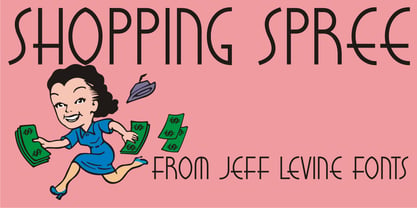
- Stampede by FontMesa,
$25.00 - Secret Agent NF by Nick's Fonts,
$10.00 - Claridge by Monotype,
$29.99 - Boa by Alien,
$30.00
- Hundo - Personal use only

- !Disc Inferno® BASIC - Unknown license

- Action Jackson - Unknown license

- Vocaloid - Personal use only

- Two Turtle Doves - 100% free

- Hydrogen - Unknown license

- Zinc Boomerang - Unknown license

- I suck at golf - Unknown license

- tobminx - Personal use only

- groutpix - Personal use only

- a Theme for murder - Personal use only

- NeoTrash - Personal use only

- Digs My Hart - Personal use only

- Selectric - Unknown license

- Fashion Passion - Unknown license

- Spike - Unknown license

- Sfilth - Unknown license

- a Theme for murder - Unknown license

- KG Always A Good Time by Kimberly Geswein,
$5.00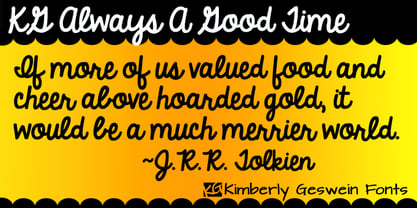
- Deco Hotel JNL by Jeff Levine,
$29.00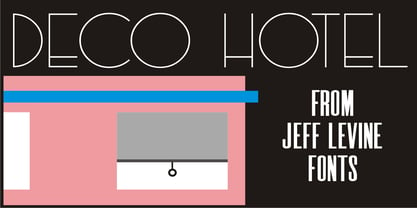
- Paine by James J. Connell,
$19.00 - Black Spoon by Alien,
$30.00 - Phyllis by URW Type Foundry,
$35.00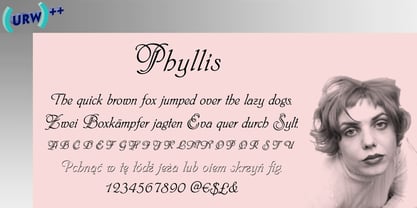
- Agrafie by Linotype,
$29.99 - Augereau by Abrams Legacy,
$52.00 - Greeting Monotone by Monotype,
$29.99 - Roman Wood Type JNL by Jeff Levine,
$29.00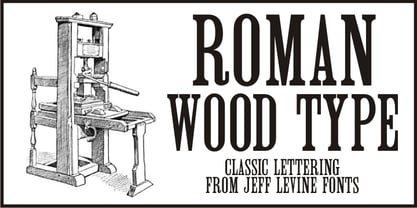
- Allegro by Bitstream,
$29.99 - Magnificent Ornaments by Gerald Gallo,
$20.00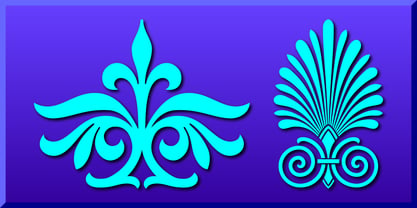
- Display Engraved JNL by Jeff Levine,
$29.00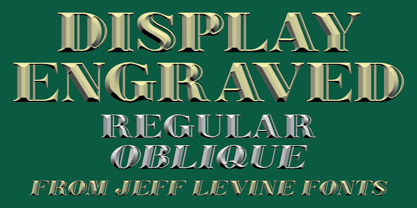
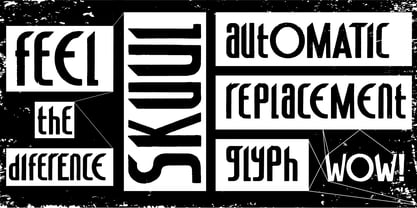
- Skuul by Typoforge Studio,
$28.00