10,000 search results (0.032 seconds)
  1. DeDisplay by Ingo, $24.99
    A type designed in a grid, like on display panels Type is not only printed. There were always and still are a number of forms of type versions which function completely differently. Even very early in the history of script there were attempts to combine a few single elements into the diverse forms of individual characters and also efforts to construct the forms of letters within a geometric grid system. The “instructions” of Albrecht Dürer are probably most well-known. But although designers of past centuries assumed the ideal to basically be an artist’s handwritten script, the idea which developed in the course of mechanization was to “build” characters in a building block system only by stringing together one basic element — the so-called grid type was discovered, represented most commonly today by »pixel types.« But even before computers, there were display systems which presented types with the help of a mechanical grid display, like the display panels in public transportation (bus, train) or at airports and train stations. In a streetcar, I met up with a modern variation of this display which reveals the name of each tram stop as it is approached. This system was based on a customary coarse square grid, but the individual squares were also divided again diagonally in four triangles. In this way it is possible to display slants and to simulate round forms more accurately as with only squares. The displayed characters still aren’t comparable to a decent typeface — on the contrary, the lower case letters are surprisingly ugly — but they form a much more legible type than that of ordinary [quadrate] grid types. DeDisplay from ingoFonts is this kind of type, constructed from tiny triangles which are in turn grouped in small squares. The stem widths are formed by two squares; the height of upper case characters is 10, the x-height 7 squares. DeDisplay is available in three versions: DeDisplay 1 is the complex original with spaces between the triangles, DeDisplay 2 forgoes dividing the triangles and thus appears somewhat darker or “bold,” and DeDisplay 3 is to some extent the “black” and doesn’t even include spaces between the individual squares.
  2. FloraDings - Unknown license
  3. ImperatorBronzeSmallCaps - Unknown license
  4. My Puma Outlined - Unknown license
  5. AfterYear - Personal use only
  6. Creation - Unknown license
  7. KiddoTR - Unknown license
  8. My Puma Oblique - Unknown license
  9. ZoinkFat - Unknown license
  10. SF Cartoonist Hand SC - Unknown license
  11. Zoloft - Unknown license
  12. SF Foxboro Script Extended - Unknown license
  13. ZoloftSideffex - Unknown license
  14. Estrogen - Unknown license
  15. Sweden Funkis Outlined - Unknown license
  16. Sweden Funkis Regular - Unknown license
  17. Packet - Unknown license
  18. Mocha Java - Unknown license
  19. PuffedRice - Unknown license
  20. SF Junk Culture Condensed - Unknown license
  21. Westminster - Unknown license
  22. SF Junk Culture Shaded - Unknown license
  23. Kemuri - Unknown license
  24. Cove by FontMesa, $20.00
    Cove is a very modern wide type design sure to jazz up what ever you use it on.
  25. Scoto Koberger Fraktur N9 by Intellecta Design, $9.00
    a free digitization of ancient types of Ottaviano Scotus, from incunabula times, printed in Germany by Anton Koberger
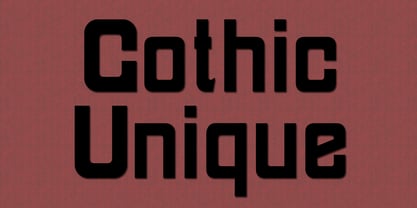
  26. Gothic Unique by Wooden Type Fonts, $15.00
    A revival of an unusual wooden type font of the 19th century, a sans serif, suitable for display.
  27. Antique Wells Extra by Wooden Type Fonts, $15.00
    A revival of one of the popular wooden type fonts of the 19th century, extra bold, slab Antique.
  28. Bamberg by Solotype, $19.95
    A compressed wood poster type from the mid-1800s. Certainly handy for excessive copy on a single line.
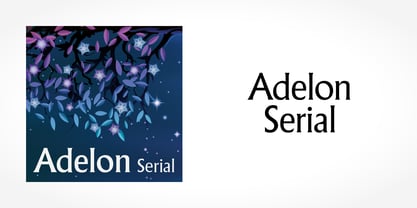
  29. Adelon Serial by SoftMaker, $15.99
    Adelon Serial is a classic flare serif typeface. Use it for titling, packaging, and other types of headlines.
  30. Hardal MF by Masterfont, $59.00
    A unique semi geometric type that is inspired by natural round forms that flow in a sweet harmony.
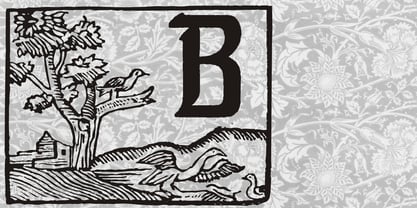
  31. Berengard Caps Two by Intellecta Design, $12.00
    a classical wood type era box ornament using blackletter... a beautiful arrangement for publishing edition and other jobs
  32. New Bodoni DT by DTP Types, $49.00
    A revival design by Malcolm Wooden of DTP Types Limited with associated Small Capitals and Old Style Figures.
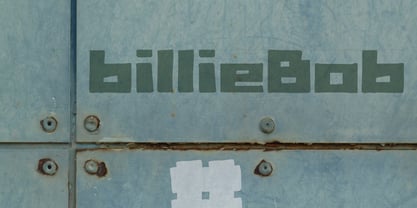
  33. BillieBob by JOEBOB graphics, $-
    BillieBob was made by cramping straight shapes into squares. Somewhat reminds me of pre cold-war Russian type.
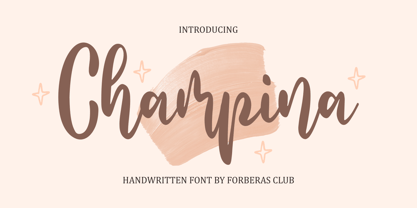
  34. Champina by Forberas Club, $16.00
    Champina is handwritten font, Recommended uses for simple write, wall type, decoration, and poster. Free for personal use.
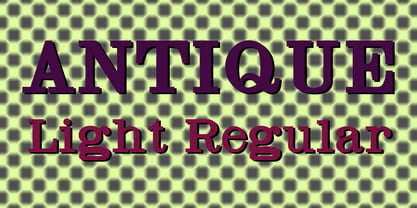
  35. Antique Light by Wooden Type Fonts, $15.00
    One of the classic display types of the 19th century, a slab font, suitable for text and display.
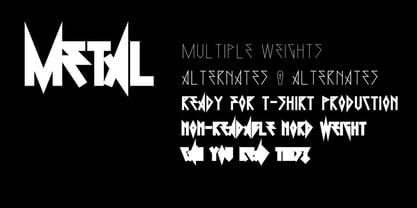
  36. 0Metal by DMTR.ORG, $13.00
    Evil Type in its purest form Multiple Weights, Alternates, Ready for t-shirt production non-readable NORD weight
  37. PS Fournier Std by Typofonderie, $59.00
    Style and elegance in 14 styles PS Fournier, created by Stéphane Elbaz, is designed in tribute to Pierre Simon Fournier. Fournier was the prolific Parisian type designer whose work is best known for its iconic representation of French transitional style. PS Fournier elegantly represents the transition to the modern era of typography. Featuring three optical sizes, PS Fournier is designed to perform in any context. The Pierre Simon Fournier heritage Pierre Simon Fournier (1712—1768) was a leading innovative type designer of the mid-18th century. Early in his career, the young Pierre Simon developed a strong aesthetic that he cultivated throughout his life. His art is representative of the pre-revolutionary “Age of Enlightenment” (Siècle des Lumières). Precursor of the Modern style, Fournier’s body of work deeply influenced his times, and created the fertile ground from which the Didot family and Giambattista Bodoni developed their own styles. During the historical period of the 18th century, Fournier exemplified the intellectual pursuits of the times with his own research on type, documenting in detail the typefounding process. He also offered a unique vision: he is the first to clearly comprehend the concept of “type family,” sorting a set of similarly styled alphabets by sizes, width, and by x-heights. In addition, Fournier is one of the earliest advocates of the point system to organize the practice of typography, the point system that contemporary typographers continue to use to this day. The refined and discreet elegance of PS Fournier With a close look at the family, one finds you’ll find that the difference between the optical sizes (Petit, standard and Grand) is more than a contrast variation between the thin and the thick; the eye can also denote a palette of distinct tones: More streamlined and robust in the smaller sizes (Petit), more refined and detailed in the larger sizes (Grand). The PS Fournier standard family is designed to adapt to any situation with its intermediate optical size, from body copy to headlines. With a bit of tracking, PS Fournier Petit will make the smallest captions perfectly readable. However, Petit family is not limited to body and captions — its “slabby robustness” will make a relevant headline choice as well. PS Fournier Grand presents a higher contrast adapted to large text sizes, displays or banners. Its refined elegance makes it a perfect choice for Design, Fashion or Luxury publications. As a “modern” type PS Fournier Grand features a larger x-height than the preexistent old style typefaces such as Garamond or Jenson. These proportions provide any basic text set in PS Fournier Grand a strong typographic texture. As a result, the PS Fournier global family is a versatile alternative to the Modern typefaces commonly used in the publishing industry. The optical sizes, the large range of weights, and the design variations make this family adaptable to captions, paragraphs, and pages, as well as to large texts and displays. A leading-edge typography in the 18th century In the spirit of modernity, Pierre Simon Fournier did not find any use for the conventional swashes still produced by peers such as Caslon or Baskerville. Nevertheless the French designer created many inventive elements to decorate the page and set delightful variations in the text itself. To this regard PS Fournier includes a large set of glyphs variations, ligatures and more than one hundred glyphs for borders, rules and ornaments or — as called in French — “vignettes.” PS Fournier: A tribute to the French modern typography era by Stéphane Elbaz

Looking for more fonts? Check out our New, Sans, Script, Handwriting fonts or Categories
abstract fontscontact usprivacy policyweb font generator
Processing