10,000 search results (0.009 seconds)
  1. DeDisplay by Ingo, $24.99
    A type designed in a grid, like on display panels Type is not only printed. There were always and still are a number of forms of type versions which function completely differently. Even very early in the history of script there were attempts to combine a few single elements into the diverse forms of individual characters and also efforts to construct the forms of letters within a geometric grid system. The “instructions” of Albrecht Dürer are probably most well-known. But although designers of past centuries assumed the ideal to basically be an artist’s handwritten script, the idea which developed in the course of mechanization was to “build” characters in a building block system only by stringing together one basic element — the so-called grid type was discovered, represented most commonly today by »pixel types.« But even before computers, there were display systems which presented types with the help of a mechanical grid display, like the display panels in public transportation (bus, train) or at airports and train stations. In a streetcar, I met up with a modern variation of this display which reveals the name of each tram stop as it is approached. This system was based on a customary coarse square grid, but the individual squares were also divided again diagonally in four triangles. In this way it is possible to display slants and to simulate round forms more accurately as with only squares. The displayed characters still aren’t comparable to a decent typeface — on the contrary, the lower case letters are surprisingly ugly — but they form a much more legible type than that of ordinary [quadrate] grid types. DeDisplay from ingoFonts is this kind of type, constructed from tiny triangles which are in turn grouped in small squares. The stem widths are formed by two squares; the height of upper case characters is 10, the x-height 7 squares. DeDisplay is available in three versions: DeDisplay 1 is the complex original with spaces between the triangles, DeDisplay 2 forgoes dividing the triangles and thus appears somewhat darker or “bold,” and DeDisplay 3 is to some extent the “black” and doesn’t even include spaces between the individual squares.
  2. FloraDings - Unknown license
  3. ImperatorBronzeSmallCaps - Unknown license
  4. My Puma Outlined - Unknown license
  5. AfterYear - Personal use only
  6. Creation - Unknown license
  7. KiddoTR - Unknown license
  8. My Puma Oblique - Unknown license
  9. ZoinkFat - Unknown license
  10. SF Cartoonist Hand SC - Unknown license
  11. Zoloft - Unknown license
  12. SF Foxboro Script Extended - Unknown license
  13. ZoloftSideffex - Unknown license
  14. Estrogen - Unknown license
  15. Sweden Funkis Outlined - Unknown license
  16. Sweden Funkis Regular - Unknown license
  17. Packet - Unknown license
  18. Mocha Java - Unknown license
  19. PuffedRice - Unknown license
  20. SF Junk Culture Condensed - Unknown license
  21. Westminster - Unknown license
  22. SF Junk Culture Shaded - Unknown license
  23. Kemuri - Unknown license
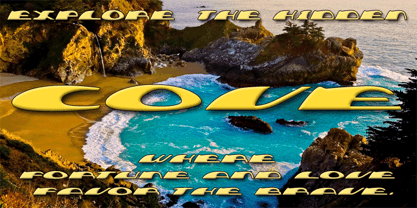
  24. Cove by FontMesa, $20.00
    Cove is a very modern wide type design sure to jazz up what ever you use it on.
  25. Scoto Koberger Fraktur N9 by Intellecta Design, $9.00
    a free digitization of ancient types of Ottaviano Scotus, from incunabula times, printed in Germany by Anton Koberger
  26. Gothic Unique by Wooden Type Fonts, $15.00
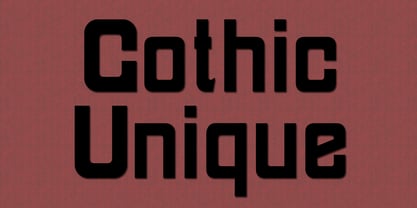
    A revival of an unusual wooden type font of the 19th century, a sans serif, suitable for display.
  27. Antique Wells Extra by Wooden Type Fonts, $15.00
    A revival of one of the popular wooden type fonts of the 19th century, extra bold, slab Antique.
  28. Bamberg by Solotype, $19.95
    A compressed wood poster type from the mid-1800s. Certainly handy for excessive copy on a single line.
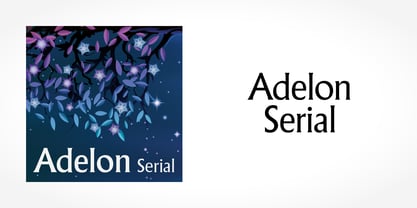
  29. Adelon Serial by SoftMaker, $15.99
    Adelon Serial is a classic flare serif typeface. Use it for titling, packaging, and other types of headlines.
  30. Hardal MF by Masterfont, $59.00
    A unique semi geometric type that is inspired by natural round forms that flow in a sweet harmony.
  31. Berengard Caps Two by Intellecta Design, $12.00
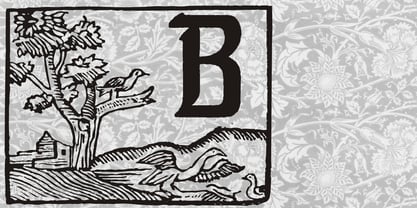
    a classical wood type era box ornament using blackletter... a beautiful arrangement for publishing edition and other jobs
  32. New Bodoni DT by DTP Types, $49.00
    A revival design by Malcolm Wooden of DTP Types Limited with associated Small Capitals and Old Style Figures.
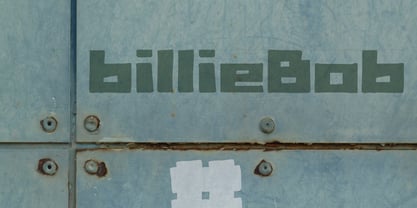
  33. BillieBob by JOEBOB graphics, $-
    BillieBob was made by cramping straight shapes into squares. Somewhat reminds me of pre cold-war Russian type.
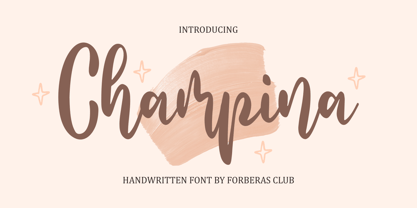
  34. Champina by Forberas Club, $16.00
    Champina is handwritten font, Recommended uses for simple write, wall type, decoration, and poster. Free for personal use.
  35. Antique Light by Wooden Type Fonts, $15.00
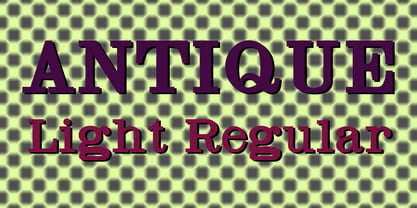
    One of the classic display types of the 19th century, a slab font, suitable for text and display.
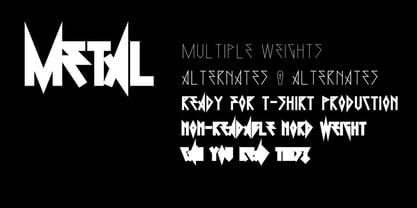
  36. 0Metal by DMTR.ORG, $13.00
    Evil Type in its purest form Multiple Weights, Alternates, Ready for t-shirt production non-readable NORD weight
  37. Caslon #540 by ITC, $29.00
    The Englishman William Caslon punchcut many roman, italic, and non-Latin typefaces from 1720 until his death in 1766. At that time most types were being imported to England from Dutch sources, so Caslon was influenced by the characteristics of Dutch types. He did, however, achieve a level of craft that enabled his recognition as the first great English punchcutter. Caslon's roman became so popular that it was known as the script of kings, although on the other side of the political spectrum (and the ocean), the Americans used it for their Declaration of Independence in 1776. The original Caslon specimen sheets and punches have long provided a fertile source for the range of types bearing his name. Identifying characteristics of most Caslons include a cap A with a scooped-out apex; a cap C with two full serifs; and in the italic, a swashed lowercase v and w. Caslon's types have achieved legendary status among printers and typographers, and are considered safe, solid, and dependable. A few of the many interpretations from the early twentieth century were true to the source, as well as strong enough to last into the digital era. These include two from the American Type Founders Company, Caslon 540 and the slightly heavier Caslon #3. Both fonts are relatively wide, and come complete with small caps, Old style Figures, and italics. Caslon Open Face first appeared in 1915 from the Barnhart Bros & Spindler Foundry, and is not anything like the true Caslon types despite the name. It is intended exclusively for titles, headlines and initials, and looks elegant whether used with the more authentic Caslon types or by itself.
Looking for more fonts? Check out our New, Sans, Script, Handwriting fonts or Categories
abstract fontscontact usprivacy policyweb font generator
Processing