7,913 search results
(0.025 seconds)
- Powers Of Marduk by Deniart Systems,
$15.00 - Erasmus by Red Rooster Collection,
$45.00 - Masterman by Wooden Type Fonts,
$15.00
- Aquarius by Red Rooster Collection,
$45.00 - Pavane by Scriptorium,
$18.00 - Rudolfo by Scriptorium,
$12.00 - Altemus Flowers by Altemus Creative,
$11.00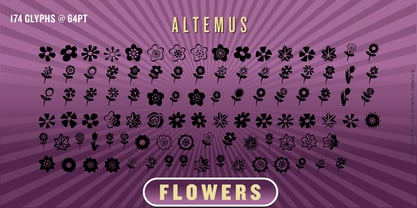
- Bellini by Red Rooster Collection,
$45.00 - Saint Louis by Red Rooster Collection,
$45.00 - Drug by Fatchair,
$9.95 - Colwell - Unknown license

- Cross Stitch Gothic by Gerald Gallo,
$20.00
- Cyntho Next by Mint Type,
$35.00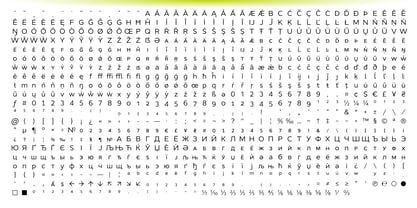
- Sticky Love by Bogstav,
$17.00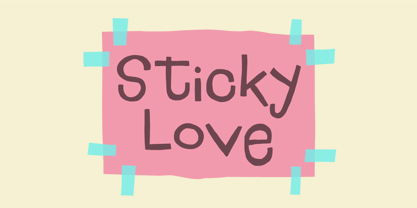
- Penic Masturbata - Unknown license

- Krystal - Unknown license

- Bardour - Unknown license

- Grand Canyon by Red Rooster Collection,
$45.00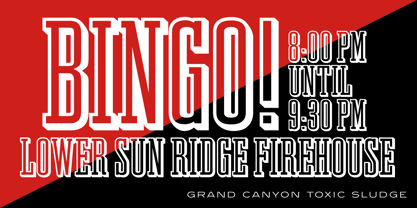
- Maestra by dooType,
$30.00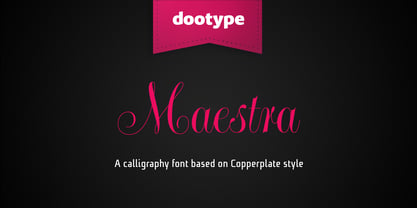
- Trsc by Konrad Trzeszczkowski,
$5.00
- Toxic Marker by Pedro Teixeira,
$14.00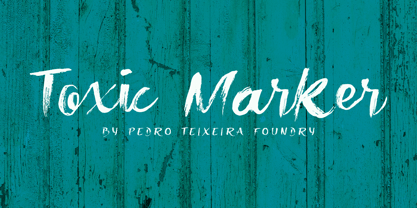
- Kulli by Volcano Type,
$19.00 - Juline by URW Type Foundry,
$35.99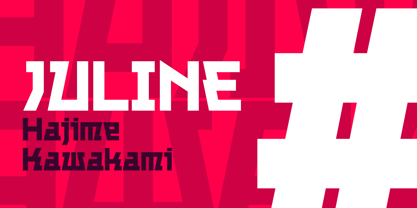
- Roller by Red Rooster Collection,
$45.00
- Deveren by Corien’s Handwritingfonts,
$19.00
- Koren Rashi MF by Masterfont,
$59.00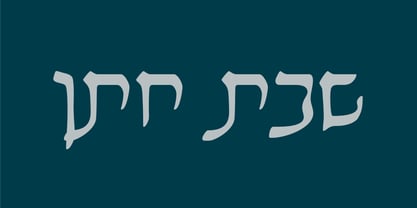
- Hebrew Pirkei Avot Std by Samtype,
$49.00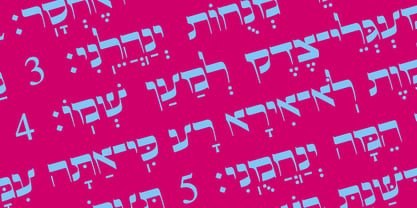
- Eingraviert by Intellecta Design,
$29.90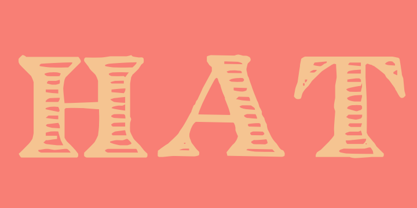
- Cider by Suomi,
$25.00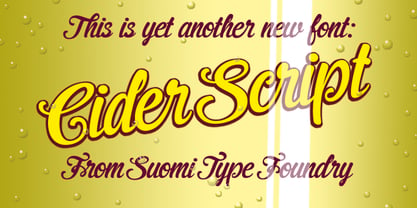
- Is Not A Brazilian Font by Intellecta Design,
$17.95
- Topanga JNL by Jeff Levine,
$29.00 - Madrid by Red Rooster Collection,
$45.00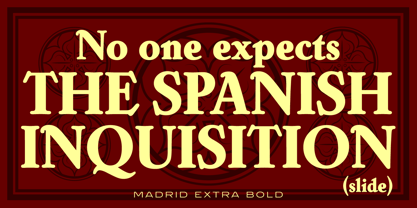
- Hasan Aya by Hiba Studio,
$59.00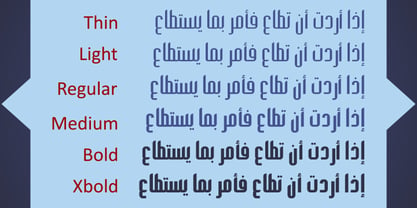
- MPI Deco by mpressInteractive,
$5.00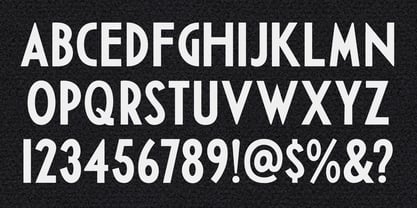
- BR Omny by Brink,
$30.00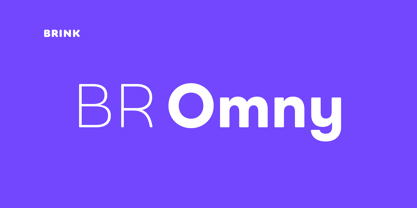
- P22 Dichromate by IHOF,
$29.95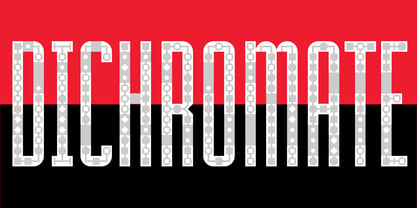
- Glypha by Linotype,
$29.99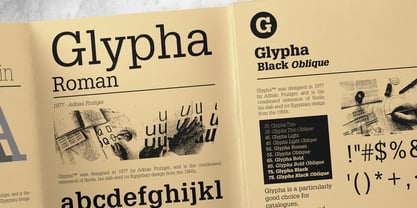
- AquilineTwo - Unknown license

- Chelsea Studio by Scriptorium,
$18.00 - Corky by Typadelic,
$19.00


