8,001 search results
(0.031 seconds)
- Scienide - Unknown license

- SF RetroSplice SC - Unknown license

- SF DecoTechno - Unknown license

- SF RetroSplice Outline - Unknown license

- SF Baroquesque - Unknown license

- Kingthings Embroidery - Unknown license

- Futurex Transmaat - Unknown license

- SF Wasabi - Unknown license

- SF Wasabi - Unknown license

- SF Beaverton - Unknown license

- Engebrechtre - Unknown license

- SF Proverbial Gothic - Unknown license

- SF Speedwaystar - Unknown license

- SF Retroesque - Unknown license

- Eat your heart out - Unknown license

- SF Beaverton - Unknown license

- SF Chaerilidae Shaded - Unknown license

- Crown Title - Unknown license

- TypographerFraktur - Personal use only

- Diego - Unknown license

- Sudbury Basin 3D - Unknown license

- SF Retroesque - Unknown license

- SF Laundromatic - Unknown license

- TypographerGotisch Schatten S - Unknown license

- TypographerFraktur - Unknown license

- DT 104 in outbreak - Unknown license

- SF Speedwaystar - Unknown license

- SF DecoTechno - Unknown license

- Evening Out JNL by Jeff Levine,
$29.00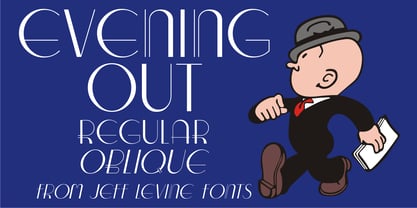
- ITC Busorama by ITC,
$40.99 - Zuboni Stencil by CastleType,
$59.00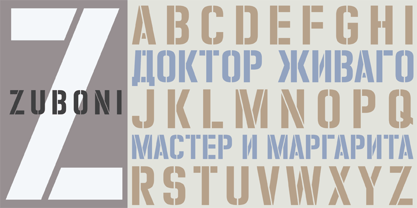
- Waxahachie NF by Nick's Fonts,
$10.00 - Batchelder Elements by Woodside Graphics,
$19.95 - Ronsard Crystal by Red Rooster Collection,
$60.00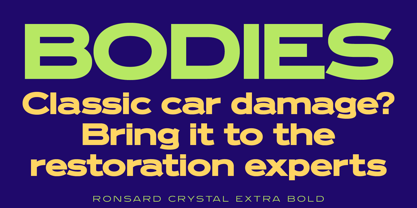
- Decade Nouveau JNL by Jeff Levine,
$29.00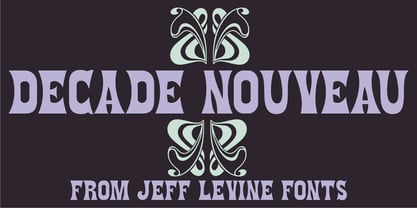
- Newsmaker JNL by Jeff Levine,
$29.00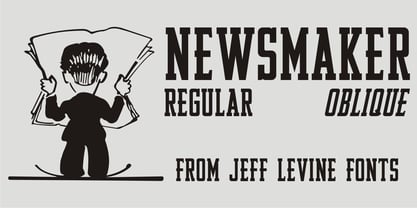
- Vienna by Solotype,
$19.95 - Ticket Booth JNL by Jeff Levine,
$29.00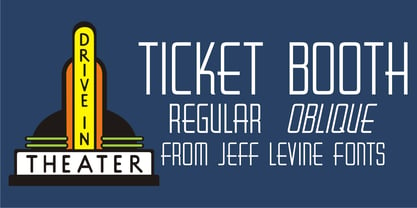
- Bal Harbour JNL by Jeff Levine,
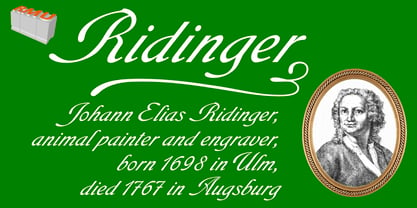
$29.00 - Ridinger Pro by RMU,
$30.00