1,129 search results
(0.016 seconds)
- PIGSTY - Unknown license

- Singer Mears - Unknown license

- Skatter - Unknown license

- Dot2Dot - Unknown license

- Of the Fleshlady - Unknown license

- Carton Stencil JNL by Jeff Levine,
$29.00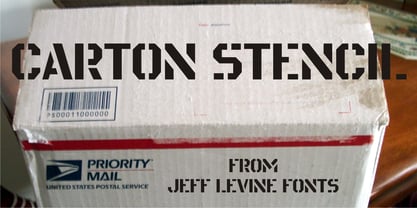
- FiftyTwoLetters - 100% free

- DingMaps - Personal use only

- Creation - Unknown license

- COnsume - Unknown license

- RNS SERIAL - 100% free

- KR Batty - Unknown license

- Gubbröra - Unknown license

- Reticulan - Unknown license

- InkyBear - Unknown license

- Konfekt - Unknown license

- Minisystem - Unknown license

- Mouth Breather BB - Personal use only

- Farming Stencil JNL by Jeff Levine,
$29.00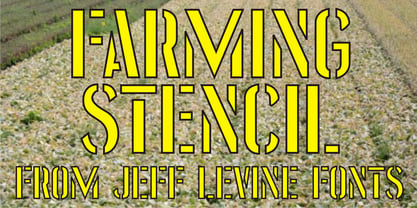
- Thinly Disguised JNL by Jeff Levine,
$29.00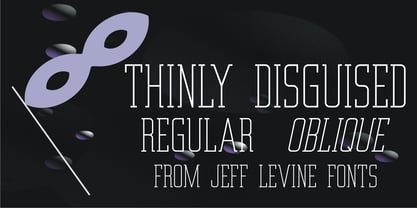
- Red Star Line NF by Nick's Fonts,
$10.00 - Rounded Sans Wood JNL by Jeff Levine,
$29.00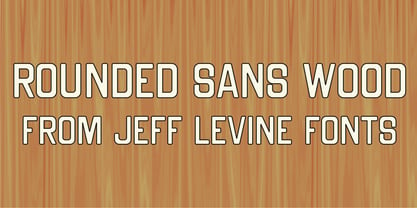
- Overnight JNL by Jeff Levine,
$29.00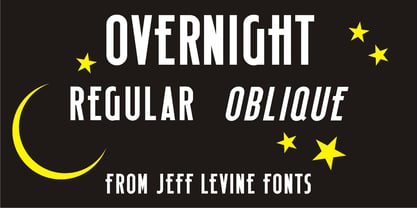
- eurofurence light - 100% free

- TheOneRing - Unknown license

- Catwalk - Unknown license

- 10 Cent Soviet - Personal use only

- DIY One - Unknown license

- Titanic - Unknown license

- HotButteredGiraffe - Unknown license

- Simbolos 1 - Unknown license

- verrutscht - Unknown license

- Stage Play JNL by Jeff Levine,
$29.00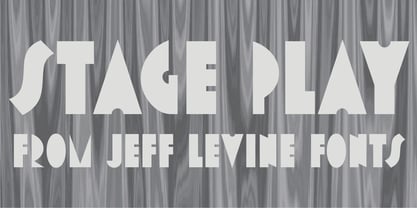
- Handprint by Turtle Arts,
$20.00 - Park Slope JNL by Jeff Levine,
$29.00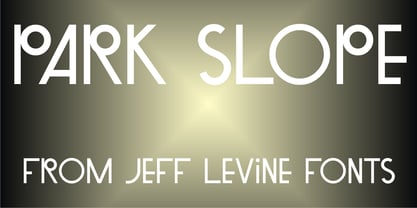
- Donattio by Subectype,
$12.00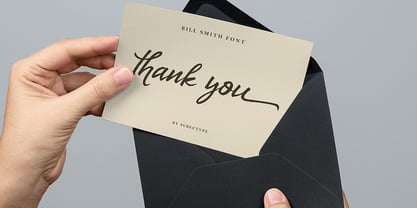
- Aparcero JNL by Jeff Levine,
$29.00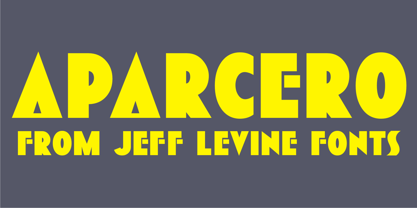
- Freeform 721 by Bitstream,
$29.99 - Byzantine - Unknown license

- Blazing - Unknown license


